Introduction
In the intricate world of semiconductor manufacturing, cord bonding stands as a pivotal system. This process serves to set up electric connections among the chip and its package, guaranteeing reliability and potency in electronic instruments. Among more than a few components used for twine bonding, gold and copper are the such a lot prominent contenders. Each drapery possesses distinguished attributes that make a contribution to their functionality in assorted programs. In this article, we can delve into The Advantages of Gold vs Copper in Wire Bonding, exploring their qualities, benefits, drawbacks, and suitability for alternative styles of cord bonding thoughts.
Understanding Wire Bonding Process
The twine bonding process consists of connecting thin wires from a semiconductor die to its equipment or substrate utilizing mechanical and thermal strength. This process is important for growing physically powerful electrical connections that resist operational stresses. The wires is usually made out of numerous materials, with gold and copper being the most most of the time used.
How Wire Bonding Works
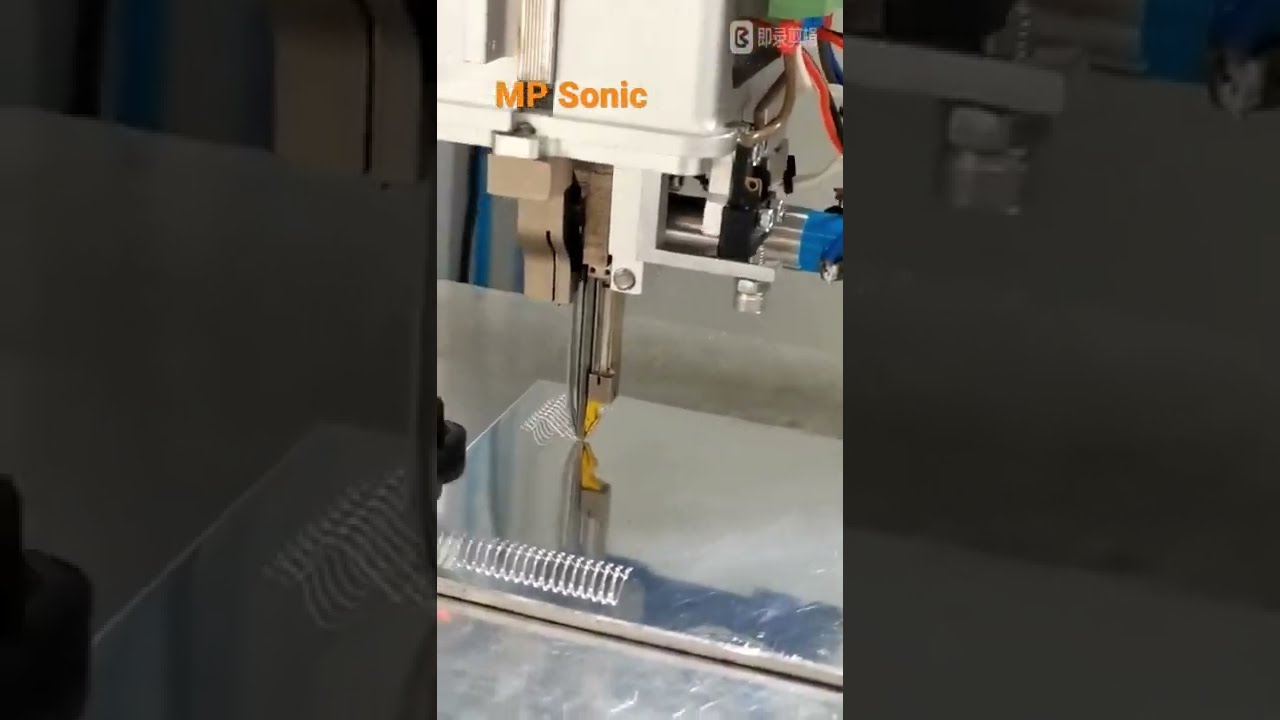
Wire bonding customarily employs either ball bonding or wedge bonding approaches. In ball bonding, a ball is formed on the conclusion of the cord ahead of it truly is attached to the bond pad on the semiconductor die. Conversely, wedge bonding comes to the use of a wedge-formed instrument to create an ultrasonic bond between the twine and pad.
What Is Wire Bonding?
Wire bonding is a relevant interconnection technological know-how used above all in semiconductors. It helps verbal exchange among chips and their applications while asserting low resistance connections standard for software efficiency.
Types of Wire Bonding Techniques
Ball Bonding Wedge Bonding Ribbon BondingEach technique has its advantages structured on design necessities and drapery homes.
The Role of Materials in Wire Bonding
When deciding upon parts for twine bonding, considerations like can charge, reliability, conductivity, and thermal houses come into play. Let's discover how gold and copper degree up against every other.
Gold Wire Bonding: Characteristics and Benefits
Gold wire bonding has been a well-known within the enterprise due to various key merits:
- Excellent Conductivity: Gold's high electric conductivity guarantees minimal resistance. Corrosion Resistance: Gold does now not oxidize quickly or corrode, which raises long-term reliability. Thermal Stability: Gold maintains reliable qualities underneath various temperatures.
Applications of Gold Wire Bonding
Gold twine is predominantly utilized in high-reliability packages which includes aerospace electronics and scientific units because of its strong overall performance.
Copper Wire Bonding: Characteristics and Benefits
Copper has gained popularity just lately thanks to its wonderful properties:
- Cost-Effectiveness: Copper is greatly more cost effective than gold; for that reason, it affords economic advantages. High Electrical Conductivity: Although fairly much less than gold's, copper's conductivity remains very good. Strength: Copper bonds are typically automatically enhanced than the ones made with gold.
Applications of Copper Wire Bonding
Copper is largely used in person electronics wherein charge-effectivity is paramount with no compromising too much on reliability.
Comparative Analysis: Gold vs Copper in Wire Bonding
Conductivity Comparison
Both gold and copper express fine conductivity; even though:
| Material | Electrical Conductivity (S/m) | Cost in step with kg ($) | |----------|-------------------------------|------------------| | Gold | 45 x 10^6 | 60 | | Copper | fifty nine x 10^6 | 8 |
This table illustrates why copper may be more fascinating from a cost attitude in spite of reasonably cut down conductivity.
Reliability Factors
Reliability is integral when picking ingredients for distinct purposes:
- Gold excels in environments vulnerable to corrosion. Copper’s susceptibility to oxidation requires defensive measures however promises significant mechanical strength whilst top processed.
Wire Bonding Equipment Considerations
To succeed in most useful effects in both forms of twine bonding tactics, specialized gadget performs a mandatory position:
Wire Bonding Machine Types
Manual Semi-Automatic Fully AutomaticEach style offers various phases of control over the bond satisfactory.
Wire Bond Inspection Techniques
Ensuring exceptional manage throughout the time of twine bonding comes to quite a lot of inspection suggestions which include:
- Visual Inspection X-ray Analysis Pull Testing
These exams guide title plausible troubles early on.
Wire Bond Failure Analysis
Understanding popular failure modes related to equally gold and copper cord bonds can support mitigate hazards:
Common Failure Modes
Oxidation Mechanical Stress Thermal CyclingAnalyzing these components enables engineers make a choice very good supplies depending on utility prerequisites.
Wire Bond Quality Control Measures
Implementing strict first-class keep an eye on measures across creation guarantees lengthy-term reliability:
Techniques for Quality Assurance
Automated Inspection Systems In-line Testing Methods Detailed Documentation ProcessesThese measures are imperative for conserving top specifications throughout all twine bonding purposes.
FAQs About Gold vs Copper in Wire Bonding
1. What are the primary differences between gold and copper twine bonding?
Gold promises most well known corrosion resistance even as supplying fantastic conductivity however comes at a bigger payment aspect when put next to copper which is more economical yet can oxidize if now not true taken care of.
2. Which material is extra riskless for automobile purposes?
While the two will probably be used effectually in automobile electronics, gold's resistance to environmental aspects makes it superior for excessive-reliability procedures within this zone.
3. How does the settlement have an effect on preference among gold and copper?
For high-volume production wherein can charge mark downs are crucial, producers ordinarilly lean against copper; even if, programs requiring longevity could justify because of gold regardless of greater bills.
4. What inspection systems are encouraged for the period of cord bonding?
Common approaches consist of visual inspections mixed with computerized X-ray checking out to be certain that each bond meets high quality standards accurately until now transferring ahead with production strategies.
five. Can I use equally supplies interchangeably?
Interchangeability isn’t a good idea without careful consideration as every one materials has awesome residences affecting bond energy underneath more than a few prerequisites—seek advice related engineering recommendations earlier than making substitutions!
6. Are there any inventions getting better those technologies?
Yes! Recent improvements embody stepped forward processing programs tailored peculiarly for copper that increase its performance features at the same time minimizing oxidation disadvantages at some stage in construction cycles!
Conclusion
In abstract, awareness The Advantages of Gold vs Copper in Wire Bonding displays fantastic insights into cloth variety centered on program requirements—both play needed roles inside electronics manufacturing landscapes as of late! While gold’s exceptional reliability shines by certain sectors like aerospace or medical gadgets due principally due its corrosion-resistant nature; conversely low-can charge selections resembling copper dominate buyer electronics markets pushed by using economic components! Ultimately selecting accurately between them hinges upon balancing efficacy against price range constraints—a mission made more effective by using grasped abilities shared the following!
This complete exploration no longer most effective highlights key distinctions but also palms experts with precious facts pivotal in the direction of making suggested selections throughout distinctive commercial contexts—in a roundabout way Click to find out more shaping long run traits inside this ever-evolving area!